
For any rider, a motorcycle is more than just a mode of transportation; it is an investment, a passion, and a symbol of freedom. However, there are times when your bike cannot be ridden. Whether you have experienced a sudden mechanical breakdown on the highway, purchased a project bike that is not street-legal, or need to transport your motorcycle across the country for a rally, you will need a reliable transit plan.
Because motorcycles are intrinsically unstable when stationary, they require specialized care during transport. Standard vehicle transport methods do not work here. This comprehensive guide details the essential equipment, critical safety procedures, and structural best practices for motorcycle towing to ensure your pride and joy arrives at its destination without a scratch.
Why Specialized Motorcycle Towing Matters
Many vehicle owners assume that securing a two-wheeled vehicle is as simple as throwing it in the back of a pickup truck or pulling it behind a car. This misconception often results in expensive structural damage, bent handlebars, blown fork seals, or even highway accidents.
Unlike a car, which sits stably on four wheels, a motorcycle has a high center of gravity and a narrow footprint. It reacts to every bump, turn, and sudden braking movement of the tow vehicle. Professional motorcycle towing relies on specialized physics and dynamics to eliminate side-to-side wobble and vertical shifting. Without proper configuration, the structural vibrations from the road can cause your bike to break free from its restraints.
Primary Methods of Motorcycle Towing
Depending on your budget, travel distance, and the type of vehicle you are using to pull the load, there are three primary methods used to transport a motorcycle.
1. Flatbed Trailers and Trucks
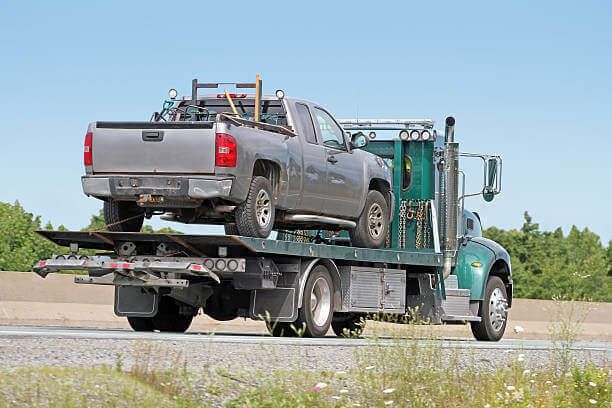
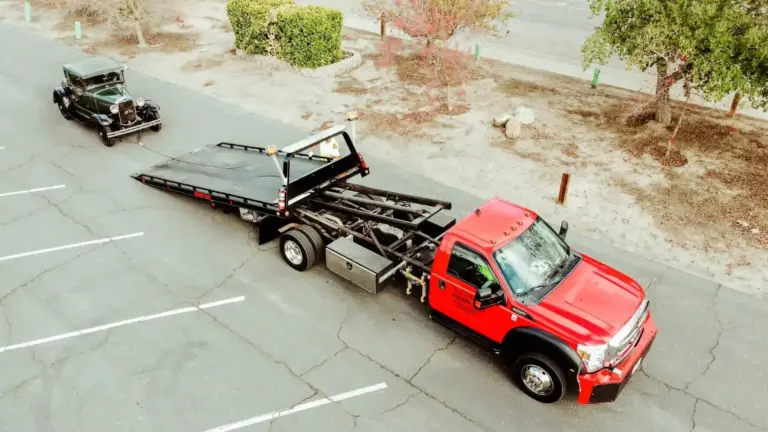
This is universally considered the safest and most secure approach for motorcycle towing. Placing the motorcycle entirely off the ground on a flatbed trailer or inside an enclosed cargo unit isolates the bike from road wear. It protects the tires, suspension, and drivetrain from friction. Enclosed trailers offer the added benefit of shielding your bike from road debris and inclement weather.
2. Dedicated Motorcycle Tow Dollies
A tow dolly is a compact, cost-effective alternative that lifts only the front wheel of the motorcycle off the ground while leaving the rear tire rolling along the pavement. While highly portable and easy to store, dollies are best suited for short-distance trips. Because the rear tire remains on the road, you must ensure the motorcycle is placed strictly in neutral to prevent catastrophic transmission failure.
3. Hitch-Mounted Carriers
Popular among owners of dirt bikes, sportbikes, and lighter cruisers, hitch-mounted carriers attach directly to a vehicle’s Class III or Class IV receiver hitch. The bike sits transversely across the rear bumper of the SUV or truck. When using this method, it is crucial to verify that your vehicle’s maximum tongue weight rating can handle the combined weight of both the carrier and the motorcycle.
Step-by-Step Guide to Securing Your Bike
If you are managing the transport process yourself, following a strict structural protocol is the only way to guarantee a damage-free trip.
Step 1: Utilize a Quality Wheel Chock
Never rely solely on straps to keep a motorcycle upright. A front wheel chock is a metal cradle bolted to the floor of the trailer or truck bed. When you roll the front tire into the chock, it locks the wheel in place, preventing the front end from twisting or sliding laterally.
Step 2: Choose the Right Tie-Down Straps
Invest in heavy-duty ratchet straps or cam-buckle straps specifically designed for powersports. Avoid cheap utility cords. You will also need “soft loops”—short synthetic straps that wrap around the motorcycle’s structural components to prevent the metal S-hooks of your ratchet straps from scratching your chrome or paint.
Step 3: Identify Secure Anchor Points
Attach your soft loops to strong, structural sections of the bike, such as the lower triple tree, the frame, or the reinforced passenger footpeg brackets. Never attach tie-down straps to the handlebars, rear turn signals, or plastic fairings. Handlebars can bend under the intense structural tension, and rubber-mounted bars can compress, causing the straps to slip loose during transit.
Step 4: Compress the Suspension Judiciously
Pull the front straps forward and outward at a 45-degree angle. Tighten the ratchet straps evenly on both sides until the bike stands perfectly vertical without the kickstand touching the ground. You want to compress the front forks slightly to absorb road bumps, but avoid bottoming out the suspension completely, as excessive pressure can blow out your front fork seals. Finally, secure the rear frame or swingarm with two additional straps pulling slightly backward to stop forward shifting.
Pro-Tips for Driving While Towing a Motorcycle
Once your bike is locked down, your driving habits must adapt to the added weight and length of your vehicle configuration.
- Check the Straps Periodically: Tie-down straps can stretch, and a motorcycle can settle after hitting potholes. Pull over after the first 10 to 15 miles of your trip to physically inspect the tension of your straps, and check them again at every fuel stop.
- Widen Your Turning Radius: If you are pulling a trailer, remember that it will cut corners tighter than your tow vehicle. Take wide, deliberate turns to avoid clipping curbs.
- Increase Following Distance: The additional weight of a trailer or carrier significantly increases your braking distance. Maintain a cushion of at least five seconds between your vehicle and the traffic ahead.
Frequently Asked Questions
Can you tow a motorcycle by its handlebars?
No. Securing tie-down straps to the outer edges of the handlebars creates too much leverage, which can easily bend the metal bars or snap the controls. Furthermore, many modern handlebars are rubber-isolated at the triple tree, meaning they can flex and cause your straps to lose tension while driving.
Should a motorcycle be in gear or neutral when being towed?
If the motorcycle is completely off the ground on a flatbed or trailer, it can remain in gear to help prevent minor rocking. However, if you are using a tow dolly where the rear wheel is spinning on the road, the motorcycle must be shifted into neutral to prevent severe internal gearbox and engine destruction.
How tight should the ratchet straps be?
The straps should be tight enough to compress the front suspension by about one-third to one-half of its total travel distance. This provides enough resistance to keep the bike stable while leaving enough suspension play to cushion the bike over bumps. Avoid pulling the straps to their absolute limit.
Is it safe to use a standard car roadside service for a bike?
Standard automotive roadside clubs often dispatch regular wheel-lift tow trucks designed for passenger cars, which cannot safely transport a motorcycle. Always verify that your roadside plan specifically includes motorcycle assistance so they dispatch a flatbed truck equipped with proper wheel chocks and motorcycle-safe tie-downs.
Conclusion
Successfully executing motorcycle towing relies entirely on attention to detail and utilizing the right gear. By choosing an appropriate transport method, anchoring to structural frame points rather than fragile components, and maintaining a cautious driving style, you can eliminate the risks of transport damage. Treat the tie-down process with the same respect you give to maintaining your bike’s engine, and your motorcycle will arrive ready for the open road.

The Complete Guide to Safe and Efficient Motorcycle Towing