
When vehicles fail without warning, the difference between a minor inconvenience and a major safety risk often comes down to one factor: access to reliable 24/7 emergency roadside assistance. Whether it’s a breakdown on a busy highway, an accident in the middle of the night, or a dead battery in an unfamiliar location, professional towing and roadside services play a critical role in modern transportation safety.
This article explores why 24/7 emergency roadside assistance matters, how it connects to the broader towing industry, and the many towing services that support drivers, businesses, and municipalities around the clock.
Understanding 24/7 Emergency Roadside Assistance
24/7 emergency roadside assistance refers to continuous, around-the-clock support for disabled, damaged, or immobilized vehicles. Unlike limited-hour services, 24/7 providers operate during nights, weekends, holidays, and severe weather conditions.
At its core, emergency roadside assistance combines towing services, on-site vehicle support, and rapid response logistics to help drivers get back on the road or safely transport their vehicles to repair facilities.
This service is essential because vehicle emergencies do not follow schedules.
Why 24/7 Towing and Roadside Assistance Is Essential
1. Vehicle Breakdowns Can Happen Anytime
Mechanical failures, flat tires, engine overheating, and battery issues often occur without warning. A breakdown towing service available only during business hours leaves drivers vulnerable during nights and weekends.
24/7 towing ensures help is always available, reducing stress, safety risks, and prolonged roadside exposure.
2. Roadside Safety and Accident Prevention
A disabled vehicle on a highway or busy intersection poses a serious hazard. Immediate towing and roadside assistance help prevent:
- Secondary accidents
- Traffic congestion
- Pedestrian injuries
- Further vehicle damage
Immediate towing and fast towing service remove vehicles from dangerous environments quickly and safely.
3. Emergency Situations Require Immediate Action
In cases involving accidents, police towing, or crash recovery, response time is critical. Emergency towing professionals coordinate with law enforcement, insurance companies, and emergency responders to manage scenes efficiently.
This makes 24/7 accident recovery towing a key part of public safety infrastructure.
The Role of Towing in Emergency Roadside Assistance
Towing is the backbone of roadside assistance. Not all vehicle issues can be resolved on-site, making professional towing essential.
Common Emergency Towing Scenarios
- Engine failure
- Transmission breakdown
- Accident damage
- Vehicle immobilization
- Off-road recovery
- Highway breakdowns
Each situation requires specialized towing equipment and trained operators.
Types of Towing by Vehicle
Different vehicles require different towing approaches to prevent damage and ensure safety.
Car Towing
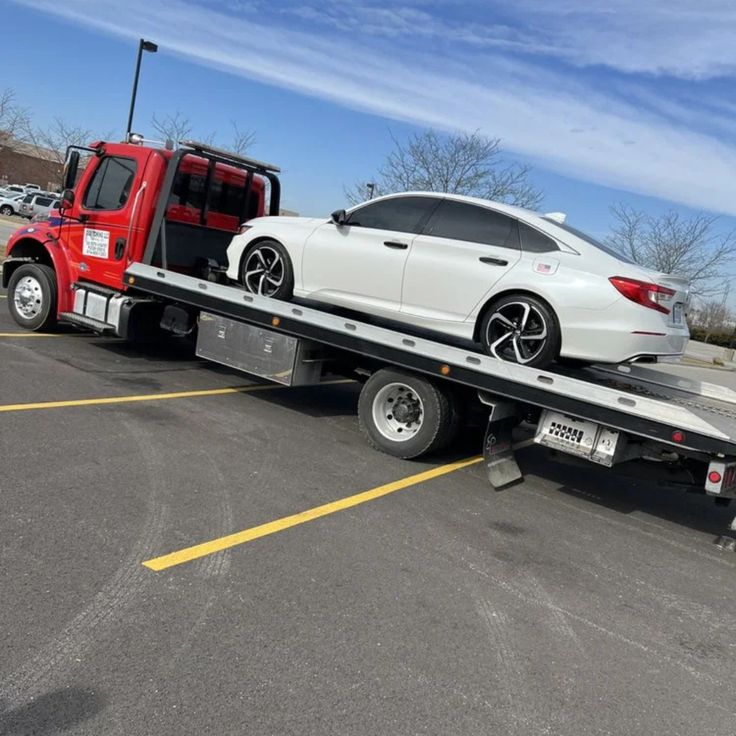
Standard passenger vehicles often use flatbed towing or wheel-lift towing, especially during breakdown towing or accident towing situations.
SUV Towing
SUVs may require reinforced wheel-lift systems or flatbeds due to weight distribution.
Pickup Truck Towing
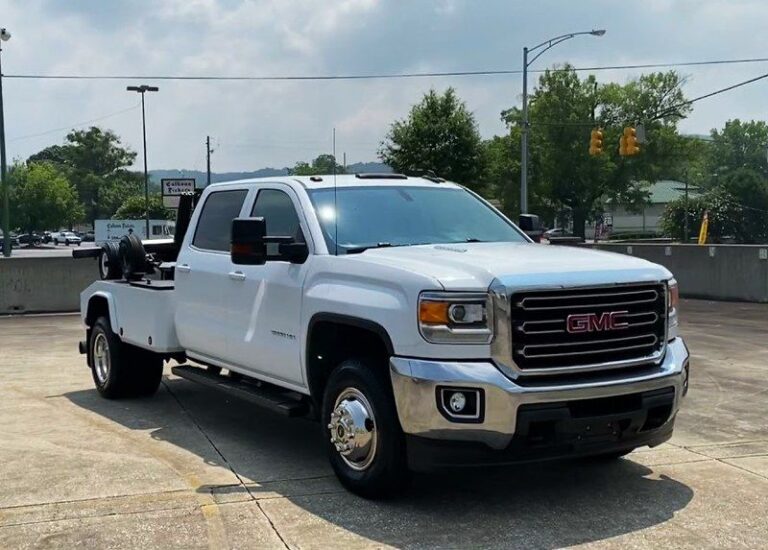
Pickup truck towing often falls under light- to medium-duty towing, depending on size and load.
Motorcycle Towing
Motorcycles require specialized carriers and straps to avoid tipping or frame damage.
ATV / UTV Towing
Often used in off-road recovery and rural emergency towing situations.
RV Towing (Recreational Vehicles)
RV towing requires heavy-duty towing equipment and experienced operators due to size and length.
Trailer, Bus, and Semi-Truck Towing
These fall under medium-duty and heavy-duty towing, often used in commercial fleet towing and highway towing.
Heavy Equipment Towing
Construction and industrial vehicles require advanced towing logistics and permits.
Types of Towing Services by Situation
Emergency Towing
Immediate response towing for urgent roadside incidents.
Accident Recovery Towing
Specialized crash recovery involving damaged or overturned vehicles.
Breakdown Towing
Transporting vehicles that are mechanically inoperable.
Flatbed Towing
Preferred for luxury, classic, low-clearance, and all-wheel-drive vehicles.
Wheel-Lift Towing
Efficient for short-distance towing and parking lot enforcement.
Hook and Chain Towing
An older method, now rarely used due to vehicle damage risks.
Winch-Out Services
Used when vehicles are stuck in mud, snow, ditches, or off-road terrain.
Local and Long-Distance Towing
Supports both short relocations and cross-city or interstate vehicle transport.
Specialty Towing Services in Emergency Situations
Emergency roadside assistance often overlaps with specialty towing needs.
Heavy-Duty, Medium-Duty, and Light-Duty Towing
Categorized by vehicle size and weight.
Luxury & Exotic Car Towing
Uses enclosed or flatbed towing to protect high-value vehicles.
Classic Car Towing
Requires non-invasive towing methods to preserve originality.
Boat and Trailer Towing
Common in coastal or recreational regions.
Construction Equipment & Oversized Vehicle Towing
Requires permits, route planning, and experienced operators.
Mobile Home and Low-Clearance Vehicle Towing
Specialized equipment ensures safe transport without structural damage.
Roadside Assistance Services Beyond Towing
Not every emergency requires towing. Many issues can be resolved on-site.
Jump Start Service
Dead batteries are one of the most common roadside calls.
Tire Change Assistance
Flat tire support when spare tools or experience are unavailable.
Lockout Service (Car Unlock)
Professional entry without vehicle damage.
Fuel Delivery Service
Emergency fuel for stranded drivers.
Battery Replacement and Charging
Mobile battery services reduce unnecessary towing.
Off-Road Recovery and Winching Services
Essential for rural, snowy, or rugged terrain.
Parking Lot Enforcement Towing
Ensures compliance on private properties.
Towing Services by Client Type
Residential Towing
Supports individual drivers during personal emergencies.
Commercial Fleet Towing
Keeps business vehicles operational with minimal downtime.
Municipal and Police Towing
Supports city contracts, police towing, and impound services.
Insurance-Approved Towing
Ensures compliance with insurer requirements.
Dealership and Rental Car Towing
Provides logistics support for vehicle transport and breakdowns.
The Importance of After-Hours and Highway Towing
After-Hours Towing
Emergencies don’t stop after business hours. After-hours towing ensures continuity of service.
Highway Towing
Breakdowns on highways require fast towing service to prevent traffic hazards and comply with safety regulations.
How 24/7 Emergency Roadside Assistance Builds Trust
Drivers rely on towing companies during stressful situations. Consistent availability builds:
- Customer confidence
- Brand credibility
- Long-term relationships
- Strong local reputation
For businesses, municipalities, and insurance providers, dependable towing partners are essential.
Why 24/7 Emergency Roadside Assistance Is a Cornerstone of the Towing Industry
The towing industry is more than vehicle transport, it is a critical emergency response service. By combining immediate towing, roadside assistance, accident recovery, and specialty services, 24/7 providers ensure mobility, safety, and peace of mind.
As vehicle technology evolves and road networks expand, the demand for professional towing services and emergency roadside assistance will continue to grow.
Final Thoughts
24/7 emergency roadside assistance matters because it protects drivers, supports public safety, and keeps roads moving. From breakdown towing and accident recovery to specialized heavy-duty towing and roadside services, the towing industry plays an essential role in modern transportation systems.
By understanding how towing services work together under the umbrella of emergency roadside assistance, drivers and businesses alike can make informed decisions, and appreciate the importance of having help available anytime, anywhere.

24/7 Emergency Roadside Assistance: Why It Matters