
Towing is a critical service in the modern transportation ecosystem, supporting everything from emergency breakdown recovery to commercial fleet relocation. While towing may appear straightforward, improper towing methods or low-quality towing equipment can cause serious vehicle damage, leading to costly repairs and safety risks. Understanding how towing equipment works—and how it prevents damage, is essential for vehicle owners, towing professionals, and fleet operators alike.
This guide explains how towing equipment prevents vehicle damage, while naturally incorporating key towing phrases, towing equipment types, and towing service categories to help establish strong topical authority around the keyword Towing.
Understanding the Role of Towing Equipment in Vehicle Safety
Towing equipment is designed to support, stabilize, and protect vehicles during transport. Whether it’s car towing, SUV towing, pickup truck towing, or heavy equipment towing, the right towing accessories distribute weight evenly, maintain proper alignment, and reduce stress on vehicle components.
When towing is done correctly using proper tools such as tow hitches, tow bars, winches, and safety chains, it significantly reduces the risk of:
- Transmission damage
- Suspension stress
- Tire wear
- Frame bending
- Paint and body damage
Modern towing equipment has evolved to meet the needs of light-duty, medium-duty, and heavy-duty towing situations, ensuring vehicles remain secure throughout the towing process.
Tow Hitches and Trailer Hitches: The Foundation of Safe Towing
A tow hitch or trailer hitch is one of the most important components in any towing setup. These devices create a secure connection between the towing vehicle and the towed load.
How They Prevent Damage:
- Ensure proper load alignment
- Distribute towing weight evenly
- Prevent swaying during trailer towing
- Reduce stress on the towing vehicle’s frame
Using the correct hitch class for RV towing, boat towing, or construction equipment towing prevents overloading, which is a major cause of vehicle damage.
Tow Bars: Protecting Steering and Suspension Systems
A tow bar is commonly used for flat towing, especially in RV towing and relocation towing. It connects the front of the towed vehicle to the towing vehicle while allowing controlled movement.
Damage Prevention Benefits:
- Maintains steering alignment
- Prevents tire dragging
- Reduces suspension strain
- Allows smooth turns without binding
Tow bars are especially valuable for car towing, SUV towing, and motorcycle towing where precise control is necessary.
Tow Dollies: Preventing Drivetrain Damage
A tow dolly lifts the front wheels of a vehicle off the ground while towing. This method is ideal for vehicles that cannot be flat-towed.
Why Tow Dollies Matter:
- Protect automatic transmissions
- Reduce tire wear
- Prevent axle damage
- Improve stability during long-distance towing
Tow dollies are commonly used in local towing, long-distance towing, and breakdown towing, particularly for front-wheel-drive vehicles.
Winches and Winch Towing: Controlled Recovery Without Impact
Winch towing is essential for vehicles stuck in mud, snow, ditches, or off-road environments. Winches use controlled pulling force to recover vehicles safely.
How Winches Prevent Damage:
- Eliminate sudden jerks
- Reduce frame twisting
- Prevent bumper and axle damage
- Allow precise vehicle positioning
Winch-out services are vital for off-road recovery, emergency towing, and accident recovery towing, where uncontrolled movement can worsen damage.
Tow Chains and Tow Straps: Strength with Flexibility
Both tow chains and tow straps are used to connect vehicles during towing or recovery.
Key Differences:
- Tow chains offer maximum strength for heavy-duty towing
- Tow straps provide flexibility and shock absorption
Damage Prevention Advantages:
- Minimize sudden force transfer
- Prevent snapping and recoil injuries
- Protect mounting points from stress
These tools are essential in heavy-duty towing, medium-duty towing, and light-duty towing scenarios.
Safety Chains: Redundant Protection That Saves Vehicles
Safety chains act as a backup connection between the towing vehicle and the trailer or towed vehicle.
Why Safety Chains Are Critical:
- Prevent complete separation if hitch fails
- Maintain control during emergency stops
- Reduce collision risk
- Protect surrounding vehicles
Safety chains are legally required in many regions and play a vital role in trailer towing, commercial fleet towing, and municipal towing operations.
Recovery Hooks and Towing Cables: Secure Load Management
Recovery hooks and towing cables provide reinforced attachment points during towing and recovery operations.
How They Reduce Damage:
- Prevent slippage during pulling
- Protect vehicle frames
- Ensure even force distribution
- Improve operator control
These components are widely used in accident recovery towing, heavy equipment towing, and construction equipment towing.
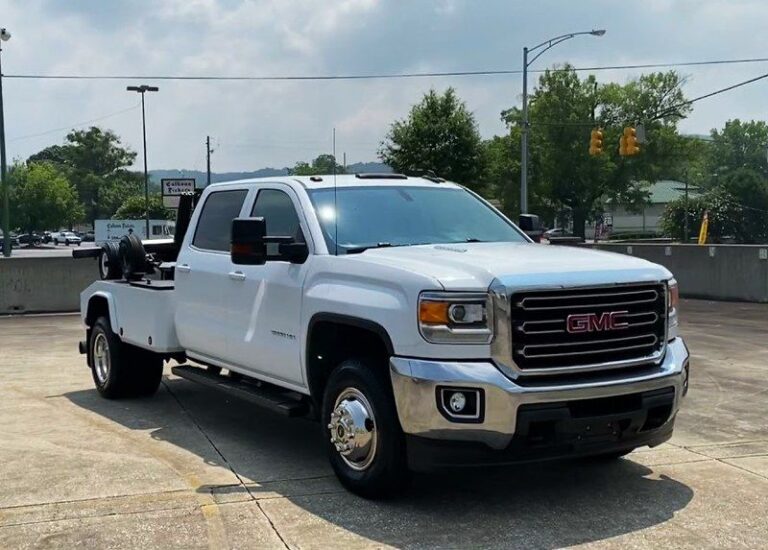
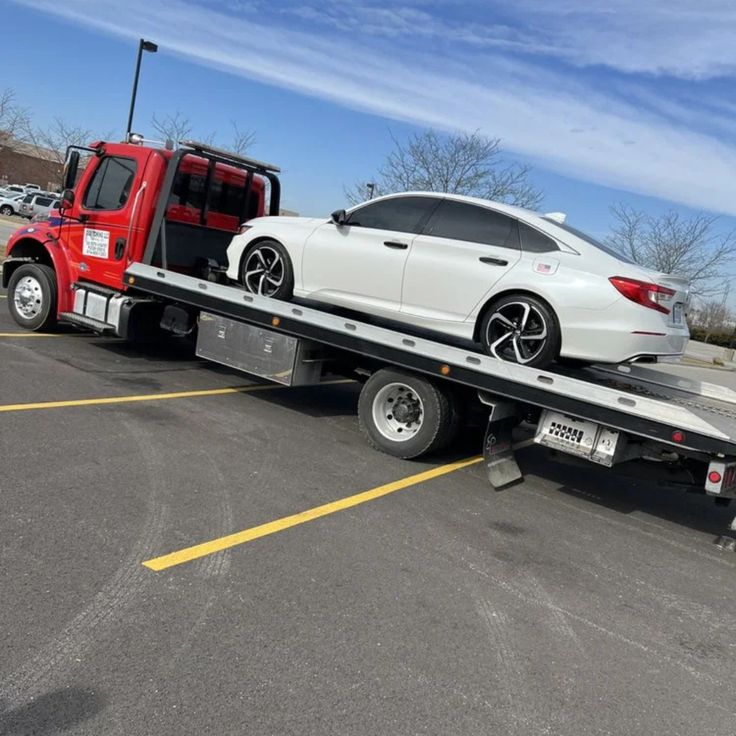
Flatbed Towing: The Gold Standard for Damage Prevention
Flatbed towing is considered one of the safest towing methods available.
Benefits of Flatbed Towing:
- Entire vehicle lifted off the ground
- Zero drivetrain stress
- No tire or suspension wear
- Ideal for luxury and exotic car towing
Flatbed towing is commonly used for classic car towing, low-clearance vehicle towing, and insurance-approved towing.
Wheel-Lift Towing: Balanced and Efficient
Wheel-lift towing lifts either the front or rear wheels of a vehicle while towing.
Damage Prevention Advantages:
- Reduces ground contact
- Minimizes scraping
- Safer than older hook-and-chain towing
This method is commonly used in local towing, residential towing, and parking lot enforcement towing.
Specialized Towing for Different Vehicle Types
Different vehicles require specialized towing equipment to prevent damage.
Examples:
- Motorcycle towing uses cradles and soft straps
- ATV / UTV towing requires balanced loading
- Bus towing needs reinforced hitches
- Semi-truck towing uses heavy-duty recovery systems
Using vehicle-specific towing equipment ensures proper support and damage prevention.
Roadside Assistance Equipment and Vehicle Protection
Roadside assistance services such as jump start service, tire change assistance, and fuel delivery service rely on towing-grade equipment to prevent incidental damage.
Proper tools reduce:
- Electrical system stress
- Wheel damage
- Battery failure risks
These services complement towing operations and enhance overall vehicle safety.
Why Professional Towing Equipment Matters
Professional towing services invest in high-quality towing equipment to meet safety standards and protect vehicles.
This is especially important for:
- Dealership towing
- Rental car company towing
- Insurance-approved towing
- Police towing & impound
Certified equipment reduces liability, improves efficiency, and preserves vehicle value.
Final Thoughts: Towing Equipment as Damage Prevention Technology
Towing is not just about moving a vehicle—it’s about moving it safely. High-quality towing equipment acts as a protective system that stabilizes vehicles, controls force, and minimizes wear during transport.
From tow hitches and tow bars to winches, safety chains, and flatbed systems, every component plays a role in preventing damage across all towing scenarios. Whether it’s emergency towing, luxury car towing, or heavy equipment towing, the right towing equipment ensures safety, reliability, and peace of mind.
By understanding how towing equipment works and why it matters, vehicle owners and towing professionals can make informed decisions that protect vehicles and extend their lifespan, solidifying towing as a safe, essential service in modern transportation.

How Towing Equipment Prevents Vehicle Damage