
Introduction to Heavy-Duty and Commercial Towing
Towing is a critical service that keeps roads, highways, construction sites, and industrial operations moving safely and efficiently. While many people associate towing with car towing or roadside assistance, heavy-duty and commercial towing represents a specialized segment of the towing industry designed to handle large, oversized, and complex vehicles. These services play a vital role in supporting transportation networks, logistics companies, construction projects, and emergency response operations.
Heavy-duty towing involves the recovery and transport of vehicles such as semi-trucks, tractor-trailers, buses, RVs, heavy equipment, and industrial machinery. Unlike light-duty towing, these operations require advanced tow trucks, specialized equipment, and highly trained operators. This article explores the types of heavy-duty tow trucks, towing equipment, and recovery tools used in commercial towing, offering an in-depth, informational guide for readers seeking to understand how professional towing services operate.
Understanding Commercial and Heavy-Duty Towing
Commercial towing differs from residential or standard car towing because it serves businesses, fleets, municipalities, and industrial clients. Commercial fleet towing, municipal towing, police towing and impound services, and insurance-approved towing all fall under this category.
Heavy-duty towing often includes:
- Semi-truck towing
- Tractor-trailer towing
- Bus towing
- RV towing
- Construction equipment towing
- Industrial towing
- Oversized vehicle towing
- Large vehicle recovery
These services are essential during breakdowns, accidents, off-road recovery situations, and long-distance transportation needs.
Types of Heavy-Duty Tow Trucks Used in Commercial Towing
Integrated Tow Trucks (Self-Loaders)
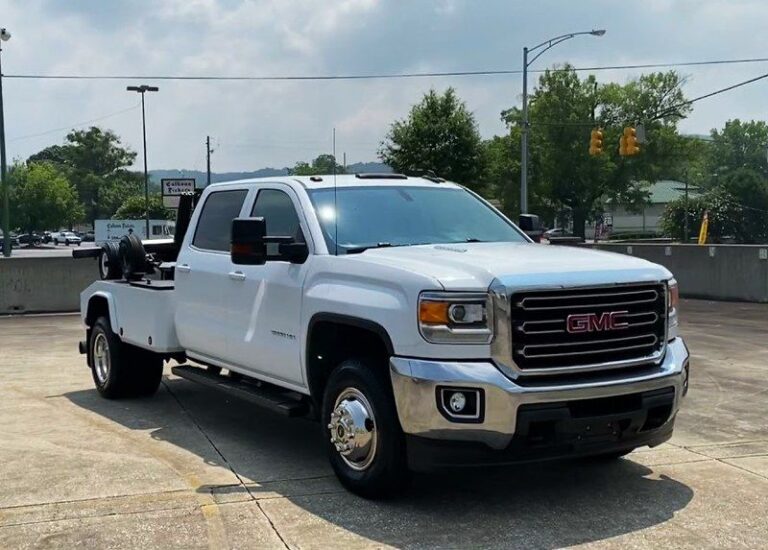
Integrated tow trucks are among the most powerful vehicles used in heavy-duty towing. These trucks combine a boom and wheel-lift system into a single unit, making them ideal for semi-truck towing, bus towing, and large vehicle recovery.
They are commonly used for:
- Commercial fleet towing
- Accident recovery towing
- Highway breakdown towing
- Police towing contracts
Integrated tow trucks provide excellent stability, control, and lifting capacity for large commercial vehicles.
Rotator Tow Trucks
Rotator tow trucks represent the highest level of towing technology. Equipped with a rotating boom that can pivot 360 degrees, rotators are essential for complex recovery operations.
Rotator tow trucks are frequently used for:
- Oversized load towing
- Industrial towing
- Tractor-trailer recovery
- Off-road recovery
- Winch-out services from ditches, mud, or snow
Their ability to lift and rotate heavy loads makes them indispensable in accident recovery towing and construction vehicle towing.
Heavy-Duty Flatbed Tow Trucks
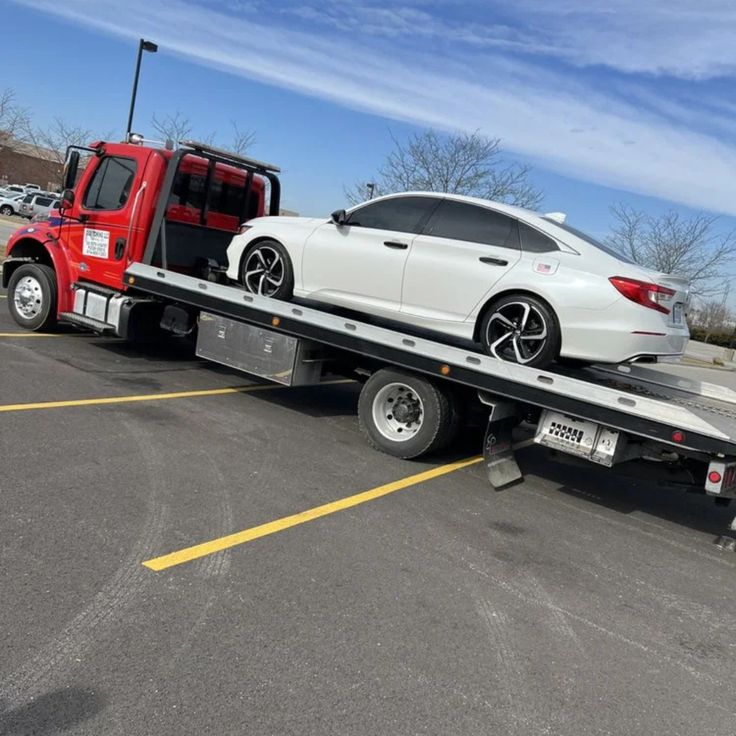
While flatbed towing is commonly associated with car towing and SUV towing, heavy-duty flatbed tow trucks are designed to transport larger commercial vehicles and equipment.
Applications include:
- Heavy equipment towing
- Construction equipment towing
- Trailer towing
- Low-clearance vehicle towing
- Luxury and specialty vehicle transport
Flatbeds offer safe, damage-free transport, making them ideal for long-distance towing and relocation towing.
Boom Tow Trucks
Boom tow trucks use a hydraulic boom to lift disabled vehicles. While older hook and chain towing relied heavily on boom trucks, modern versions are safer and more precise.
They are still used in:
- Industrial towing
- Large vehicle recovery
- Winching services
- Off-road recovery
Boom tow trucks remain an essential part of commercial towing fleets.
Essential Heavy-Duty Towing Equipment
Winches and Recovery Systems
Winches are critical for heavy-duty towing and recovery operations. These powerful systems pull vehicles out of difficult situations such as:
- Mud, snow, or ditches
- Construction sites
- Off-road environments
- Accident scenes
Winch-out services are frequently combined with rotator tow trucks and boom trucks for maximum recovery efficiency.
Chains, Straps, and Rigging Equipment
Heavy-Duty Tow Trucks requires specialized chains, straps, and rigging tools rated for extreme weight capacities. These components are essential for:
- Semi-truck towing
- Tractor-trailer towing
- Industrial equipment towing
- Oversized vehicle towing
Proper rigging ensures safe towing operations and prevents further damage to vehicles or infrastructure.
Wheel-Lift and Axle Lifting Systems
Wheel-lift towing systems are widely used in commercial towing to safely lift and tow vehicles without dragging them. Heavy-duty wheel-lift systems are designed to support:
- Buses
- RVs
- Pickup trucks
- Commercial vans
They are also used in fleet towing and municipal towing operations.
Dollies and Specialized Transport Tools
Tow dollies and axle dollies allow operators to move vehicles with damaged axles or drivetrains. These tools are essential for:
- Accident recovery towing
- Breakdown towing
- Trailer towing
- Long-distance towing
Dollies help reduce wear and tear during towing operations.
Heavy-Duty Towing Services by Situation
Commercial towing companies provide services based on specific situations, including:
- Emergency towing for commercial vehicles
- Accident recovery towing for semi-trucks and buses
- Breakdown towing for fleet vehicles
- Winching services for stuck vehicles
- Long-distance towing for heavy equipment
- Local towing for commercial fleets
- Relocation towing for industrial operations
Each scenario requires the correct combination of tow truck type and equipment.
Specialty Applications in Commercial Towing
Construction and Industrial Towing
Construction vehicle towing and industrial towing involve transporting heavy machinery such as:
- Excavators
- Bulldozers
- Cranes
- Loaders
These operations require specialized flatbeds, rotator tow trucks, and securement equipment.
Oversized Load and Large Vehicle Recovery
Oversized load towing includes vehicles that exceed standard road dimensions or weight limits. Large vehicle recovery operations often require:
- Multiple tow trucks
- Rotator systems
- Advanced rigging techniques
These services are essential for highway safety and infrastructure protection.
Fleet and Municipal Towing
Commercial fleet towing supports businesses such as:
- Trucking companies
- Delivery services
- Rental car companies
- Public transportation agencies
Municipal towing includes city contracts, parking lot enforcement towing, and police towing and impound services.
Training and Safety in Heavy-Duty Towing
Heavy-duty towing operators undergo extensive training to handle complex recovery scenarios. Safety protocols include:
- Load calculations
- Rigging inspections
- Scene management
- Coordination with law enforcement
Proper training ensures safe towing operations and protects both operators and the public.
How Heavy-Duty Towing Supports the Towing Industry
Heavy-duty and commercial towing services form the backbone of the towing industry. Without them, highways would remain blocked, construction projects would stall, and commercial fleets would face costly downtime.
From semi-truck towing and equipment towing to industrial recovery and oversized vehicle transport, these services ensure operational continuity across industries.
Conclusion
Heavy-duty tow trucks and equipment used in commercial towing represent a highly specialized and essential segment of the towing industry. By combining advanced vehicles like rotator tow trucks and integrated tow trucks with powerful recovery equipment, commercial towing services handle some of the most challenging situations on the road and at job sites.

Heavy-Duty Tow Trucks and Equipment Used in Commercial Towing