
You walk out to where your car should be and it’s just… gone. No note. No warning. Just an empty parking spot and that sinking feeling in your stomach. Before you assume the worst, take a breath — your car was most likely towed, and getting it back is completely doable if you follow the right steps.
Knowing what to do when your car gets towed can save you hours of confusion, hundreds of dollars in unnecessary storage fees, and a whole lot of frustration. The problem is that most people have no idea what to do in those first critical minutes — and that confusion is exactly what costs them money.
This guide walks you through every step, from the moment you realize your car is missing to the moment you drive it home. We’ll also cover what to do if you can’t afford the fees, how to handle an illegal tow, and how to make sure this never happens to you again.
First — Confirm Your Car Was Actually Towed (Not Stolen)
Before you do anything else, don’t call 911. Don’t file a stolen car report. Do this first:
Call your local non-emergency police line.
Tell them your car’s make, model, color, license plate, and the location where it was parked. They can check their system in under two minutes and tell you whether your car was towed — and if so, by which company and where it was taken.
This matters because if you report your car stolen before confirming it was towed, you create a messy paper trail that can actually delay getting your car back and complicate any insurance claim you might file later.
If police records show no tow, then and only then should you consider filing a theft report.
Real tip: In most US cities, towing companies are legally required to notify local police within 30 minutes of towing a vehicle. So the police will almost always have the record before you even call.
Step 1 — Find Out Exactly Where Your Car Was Towed
Once you’ve confirmed the tow, your next job is locating the impound lot. Here are the fastest ways:
Ask the police dispatcher directly. When you call the non-emergency line, ask them specifically which tow company took your vehicle and what the impound lot address is. This is the fastest method.
Use your city’s online tow lookup tool. Many major US cities have a dedicated vehicle tow search tool on their official website. Search “[your city] towed vehicle lookup” and you should find it within seconds. Cities like Chicago, Los Angeles, New York, and Houston all have these.
Search the tow company directly. If police give you the tow company name, Google them immediately. Find their lot address and hours of operation — this is critical because many impound lots have limited public hours, especially on weekends, and storage fees keep adding up every single day your car sits there.
Act fast — every day counts. Storage fees at most impound lots run $25 to $75 per day. If your car sits there for three days while you figure out what to do, that’s $75 to $225 in storage fees on top of everything else. Speed is money here.
Step 2 — Know Exactly What Documents to Bring
Showing up to an impound lot without the right documents is one of the most common and costly mistakes drivers make. Many lots won’t release your car without all of the following:
- Government-issued photo ID — driver’s license, passport, or state ID
- Proof of vehicle ownership — your title or vehicle registration
- Proof of insurance — your insurance card or a digital version on your phone
- Payment — cash, card, or both (check with the lot before you go — some are cash only, which is itself a potential violation worth noting)
What if you don’t have your registration or title?
Don’t panic. You have options. Contact your local DMV — many states allow you to pull up vehicle ownership records digitally. Your insurance company can also provide documentation confirming you are the registered policyholder on the vehicle.
What if someone else is picking up the car for you?
Most impound lots require a notarized letter of authorization from the registered owner, plus a copy of the owner’s ID. Call the lot before sending anyone to confirm exactly what they need — every lot has slightly different requirements.
Step 3 — Understand the Real Costs Before You Arrive
Nothing blindsides people more than the bill at an impound lot. Here is a realistic breakdown of what you will likely face:
| Fee Type | Average Cost |
|---|---|
| Base tow / hook-up fee | $75 – $125 |
| Per-mile charge | $2.50 – $7 per mile |
| Daily storage fee | $25 – $75 per day |
| After-hours or night fee | $25 – $75 extra |
| Gate / release fee | $50 – $200 |
| Administrative fee | $50 – $150 |
The total for a single night in an impound lot — including tow fee, one day of storage, and a gate fee — can easily run $200 to $400. Two nights pushes that to $300 to $500.
The one thing most people don’t know: You are legally entitled to a complete itemized receipt before you pay. Do not hand over money for a vague total written on a scrap of paper. Ask for every charge listed separately, line by line. This protects you and gives you grounds to dispute anything that looks wrong.
Step 4 — What to Do AT the Impound Lot
This is where most people make expensive mistakes by rushing. Before you hand over a single dollar, do these four things:
Photograph the rate sheet posted at the entrance. Licensed impound lots are legally required to post their rate schedule visibly at the entrance in most US states. Take a photo of it on your phone before going inside. This is your evidence if anything on your invoice doesn’t match.
Inspect your vehicle before signing anything. Walk around your car and check for any new dents, scratches, or damage that may have occurred during the tow. Photograph everything. Once you sign a release form, many lots claim you accepted the vehicle in its current condition. Don’t sign until you’ve documented what you see.
Get the full itemized invoice. Compare every line to the rate sheet you photographed. If the storage rate on your invoice is $65 per day but the posted rate sheet says $45, that’s a discrepancy — and it’s disputable.
If something looks wrong, write “Payment Under Protest” on the receipt before signing. This four-word phrase is powerful. It means you are paying to retrieve your car and stop storage fees from accumulating, but you are legally reserving all rights to challenge the charges afterward. It does not mean you’re accepting them as valid.
Step 5 — What If You Can’t Afford to Get Your Car Out?
This situation is more common than most people realize — and there are real options available to you.
Ask about a payment plan. Some impound lots, particularly those operated by city or county authorities rather than private companies, offer payment arrangements for drivers who genuinely cannot pay the full amount upfront. Always ask. The worst they can say is no.
Contact your local legal aid office. If you believe the tow was wrongful or the fees are excessive, legal aid organizations can sometimes help you challenge the charges or negotiate a release. Search “[your city] legal aid” to find the nearest office.
Check your auto insurance policy. Some comprehensive auto insurance policies include towing and impound coverage. Call your insurer the same day your car is towed — not three days later. Waiting can affect your claim eligibility, and some policies have a strict notification window.
Know your state’s abandoned vehicle window. If a car sits in an impound lot long enough without being claimed, the lot can legally begin the process of claiming it or auctioning it. This window varies by state — anywhere from 10 days to 30 days. Do not wait to act.
Contact local charities and assistance programs. Organizations like Catholic Charities, the Salvation Army, and local community action agencies sometimes have emergency funds for situations exactly like this. A quick call can make a real difference.
What If Your Car Was Towed from an Apartment Complex?
This is one of the most common and most disputed towing scenarios in the US. Here is what you need to know specifically about car towed from apartment complex situations:
Private property towing from apartment complexes is heavily regulated in most states. The towing company must be working under a written contract with the property management. Signage must meet specific size and visibility requirements — including the towing company’s name and phone number. In many states, the tow cannot be authorized without documented approval from a property manager or authorized representative.
If any of these conditions were not met — for example, the signage was unclear, missing, or not visible at night — you may have grounds for a full refund of all towing and storage fees.
Document the signage at the property with photos. Ask the towing company for written authorization from the property manager. And if the tow appears unlawful, don’t wait — escalate immediately.
What If Your Car Was Towed Illegally?
Illegal tows happen more often than most people expect. A tow is potentially unlawful if:
- There was no proper signage posted at the property meeting your state’s legal requirements
- The tow company did not notify police within the legally required timeframe
- The property owner or manager did not actually authorize the tow
- You were charged fees above the rates posted on the lot’s rate schedule
- The lot refused to accept your credit card when state law requires them to
If any of these apply to your situation, you have real options. You can file a formal complaint with your state’s consumer protection office or attorney general. You can take the company to small claims court — filing fees are typically $30 to $75, you don’t need a lawyer, and judges see towing disputes regularly.
Most importantly — if you were overcharged, hit with hidden fees, or given an invoice that doesn’t match the posted rates, you can fight back and win.
For a complete step-by-step walkthrough of the dispute process, including the exact letter to write, how to escalate, and what the “payment under protest” strategy means legally — read our full guide: How to Dispute a Towing Charge and Actually Win →
How to Avoid Getting Towed Again
Once you’ve been through this, you’ll never park the same way again. Here are the habits that will protect you going forward:
Always photograph parking signs when you leave your car. Especially in unfamiliar areas, private lots, or anywhere signs feel confusing. A five-second photo can save you $300.
Use parking apps in urban areas. Apps like SpotHero, ParkWhiz, and your city’s official parking app show you exactly where you can and cannot legally park — including time restrictions and permit zones.
Know the street cleaning schedule wherever you regularly park. Street cleaning violations are one of the top reasons cars get towed in cities. Check your city’s website or look for the small blue and white signs that show cleaning days and times.
Get a roadside assistance plan before you need it. A roadside assistance membership means that if your car ever breaks down or gets into a situation where a tow is needed, you are covered — and you never have to deal with a random tow company that may overcharge you. It also gives you a trusted number to call instead of scrambling in an emergency.
The difference between local towing companies and national chains matters a lot when it comes to pricing, response time, and reliability. Before you choose a plan or a company, read our detailed breakdown: Local Towing Services vs National Chains — Which Should You Call? →
Frequently Asked Questions
How do I find out where my car was towed?
Call your local non-emergency police line with your license plate number and the location where your car was parked. Police are notified by towing companies in most states, so they will have the impound lot information. You can also search “[your city] towed vehicle lookup” to find your city’s official online tool.
How much does it cost to get a car out of impound?
The average total cost to retrieve a car from an impound lot in the US ranges from $150 to $500 for the first night, depending on your city, the tow distance, and any after-hours or gate fees. Storage fees then add $25 to $75 for each additional day your car remains in the lot.
What do I need to get my car out of impound?
You typically need a government-issued photo ID, your vehicle registration or title, proof of insurance, and payment for all outstanding fees. If someone else is retrieving the car on your behalf, most lots require a notarized letter of authorization from the registered owner.
Can I dispute the fees after I pay to get my car out?
Yes — paying to retrieve your car does not mean you’ve accepted the charges as valid, especially if you write “Payment Under Protest” on the receipt before signing. You can dispute incorrect or inflated fees afterward through the tow company, your state’s consumer protection office, or small claims court.
How long does an impound lot keep your car before selling it?
Most states require impound lots to hold your vehicle for a minimum of 10 to 30 days before beginning the lien or auction process. The exact timeframe depends on your state. Do not wait — contact the lot as soon as possible to prevent your car from being sold at auction.
What if the tow company damaged my car?
Photograph the damage before leaving the lot and refuse to sign any waiver of liability. File a damage claim with the towing company’s insurance immediately — they are legally required to carry liability coverage. If they deny the claim, file with your own insurer and pursue the towing company in small claims court for the remainder.
What if my car was towed from private property without warning?
Private property tows must follow strict local regulations including proper signage, documented authorization from the property owner, and police notification. If any of these requirements were not met, the tow may be unlawful and you may be entitled to a full refund. Document everything and file a complaint with your state’s consumer protection office.
The Bottom Line
Getting your car towed is stressful. But it doesn’t have to be expensive or overwhelming if you know exactly what to do. Confirm the tow with police first. Locate the impound lot immediately. Bring the right documents. Photograph everything at the lot before you sign or pay. And if anything looks wrong — don’t just pay it without pushing back.
You have rights. Towing companies are regulated. And with the right information, most towing situations are completely manageable — even when they feel like an absolute disaster in the moment.
The drivers who come out ahead are the ones who stay calm, move quickly, and know their options.
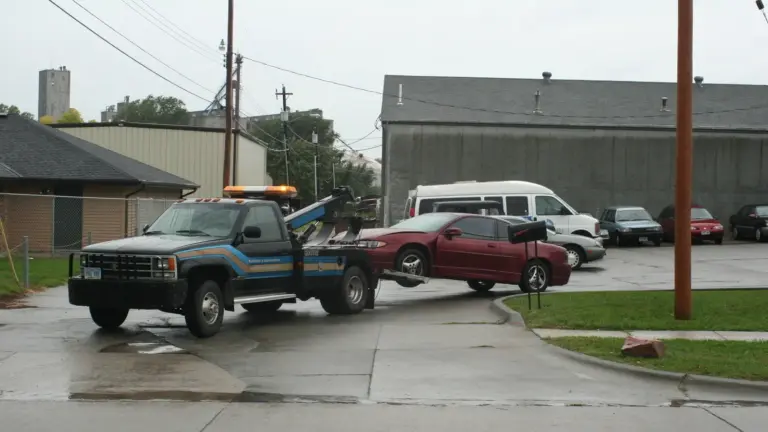

What to Do When Your Car Gets Towed (Step-by-Step Guide)