
Electric vehicles (EVs) are rapidly transforming the automotive industry. With governments encouraging cleaner transportation and manufacturers introducing advanced battery technologies, more drivers are switching from gasoline-powered cars to electric alternatives. While EVs offer impressive efficiency and reduced environmental impact, one factor many drivers underestimate is how driving modes influence real-world range, roadside emergencies, and even towing requirements.
Understanding how driving modes affect energy consumption does not just help drivers maximize efficiency—it can also reduce the chances of unexpected breakdowns and roadside towing situations. For towing service providers and EV owners alike, awareness of these factors is becoming increasingly important as electric vehicles continue gaining popularity worldwide.
Understanding Driving Modes in Electric Vehicles
Driving modes in electric vehicles are software-controlled settings that adjust how the vehicle delivers power and manages energy usage. Unlike traditional vehicles, EVs rely heavily on advanced electronic control systems that influence performance, battery consumption, regenerative braking, and overall driving behavior.
Common EV driving modes typically include:
- Eco or Efficiency Mode
- Normal or Balanced Mode
- Sport or Performance Mode
While these modes do not change the physical size or capacity of the battery, they significantly affect how quickly energy is used and how efficiently it is recovered during driving.
For example, efficiency-focused modes often reduce throttle sensitivity and limit rapid acceleration. Performance modes, on the other hand, allow faster power delivery, which improves responsiveness but increases energy consumption. Many premium electric vehicles, including this guide explaining how Cadillac Lyriq driving modes influence real-world range and battery usage, demonstrate how software adjustments alone can significantly alter power output and battery usage patterns.
Why Driving Modes Directly Affect EV Range
The primary reason driving modes influence range is the amount of energy drawn from the battery during acceleration and cruising. Aggressive acceleration consumes more power, while smooth and gradual throttle input conserves energy.
Efficiency-focused driving modes help extend battery life by:
- Limiting sudden acceleration spikes
- Optimizing power distribution
- Increasing regenerative braking strength
- Reducing unnecessary climate system usage
When drivers consistently use performance-oriented modes, battery drain occurs more rapidly. Over time, this increases the likelihood of running out of charge, especially during long-distance travel or in areas with limited charging infrastructure.
For towing and roadside assistance services, depleted EV batteries are becoming one of the most common reasons for emergency callouts.
The Growing Link Between EV Range and Roadside Towing
As EV adoption increases, towing companies are encountering new types of roadside situations. Unlike gasoline vehicles that may run out of fuel but can sometimes be restarted quickly, electric vehicles that lose charge often require specialized towing solutions.
Driving modes play a key role in preventing these situations. Drivers who frequently use performance settings or fail to monitor battery consumption may experience unexpected range loss. Real-world case studies discussed in resources such as a Cadillac Lyriq driving modes guide show how performance-focused settings can noticeably reduce distance per charge compared to balanced or efficiency modes.
By understanding how different driving modes impact efficiency, drivers can reduce the chances of needing roadside towing services. At the same time, towing providers must adapt to safely handle EV recovery operations, which differ significantly from traditional vehicle towing methods.
City Driving vs Highway Driving Efficiency
The effectiveness of driving modes varies depending on driving conditions. Urban environments and highway travel impact battery performance differently.
City Driving Advantages
City driving often benefits from regenerative braking systems. Regenerative braking allows electric vehicles to recover energy when slowing down or stopping. Efficiency-focused driving modes typically increase regeneration strength, allowing drivers to regain lost energy during stop-and-go traffic.
This makes urban driving more efficient for EVs when proper driving modes are selected. Drivers who utilize eco modes in cities can significantly extend their driving range.
Highway Driving Challenges
Highway driving reduces regenerative braking opportunities because vehicles maintain steady speeds for longer periods. At higher speeds, wind resistance and continuous power demand increase battery consumption regardless of driving mode.
Drivers who rely heavily on performance modes during highway travel may experience faster battery drain, increasing the risk of roadside breakdowns. Maintaining steady speeds and using balanced driving modes helps preserve range during long trips.
Weather and Environmental Factors That Influence EV Efficiency
Weather conditions can sometimes have a greater impact on EV range than driving modes themselves. Both cold and extremely hot temperatures affect battery performance and energy consumption.
Cold Weather Impact
Cold temperatures reduce battery efficiency and require additional energy for cabin heating. This can significantly lower driving range if drivers rely heavily on climate control systems.
Hot Weather Challenges
Extreme heat increases cooling system demand, which also drains battery power. Overheating can reduce efficiency and affect battery longevity if not managed properly.
Drivers can reduce energy loss by:
- Preconditioning the vehicle while it is charging
- Using seat heaters instead of increasing full cabin heating
- Selecting efficiency or balanced driving modes during extreme weather
These small adjustments help prevent rapid battery drain and reduce the risk of roadside emergencies.
How Driving Modes Influence Emergency Breakdown Risks
Many EV breakdown situations are not caused by mechanical failure but by poor energy management. Drivers who ignore battery consumption patterns or rely excessively on performance driving modes may unintentionally reduce their vehicle’s usable range.
Efficiency-focused driving modes help drivers maintain predictable battery usage, which is critical when traveling through areas with limited charging availability. Balanced modes offer a compromise between comfort and range, making them suitable for daily commuting and long-distance travel.
Performance modes should be used selectively, as they increase power output and energy demand. While they improve driving enjoyment, overuse can increase the chances of requiring roadside towing assistance.
Special Considerations for Towing Electric Vehicles
Electric vehicles require different towing techniques compared to gasoline-powered cars. Many EVs cannot be towed with their wheels on the ground because regenerative braking systems and electric drivetrains can suffer damage.
Flatbed towing is usually recommended for EV recovery. Attempting traditional towing methods may damage the motor, transmission components, or battery system.
Towing professionals must also consider:
- High-voltage battery safety
- Manufacturer-specific towing instructions
- Proper vehicle securing methods
- Safe battery handling procedures
As EV ownership increases, towing service providers are expanding their knowledge and equipment to safely manage electric vehicle recovery operations.
Software Optimization and Modern EV Efficiency
Modern electric vehicles rely heavily on software updates to improve battery efficiency and performance. Manufacturers continue developing advanced energy management systems that automatically adjust power delivery based on driving conditions.
Software improvements can:
- Enhance regenerative braking performance
- Improve battery temperature control
- Optimize acceleration response
- Provide accurate range predictions
Automotive technology platforms such as NewsyPlace frequently report on EV innovations, industry advancements, and emerging electric mobility trends. These insights help drivers and service providers stay informed about the evolving role of technology in vehicle efficiency and safety.
Practical Tips to Extend EV Range and Avoid Roadside Emergencies
Drivers can significantly improve real-world EV efficiency by following simple driving habits. These practices reduce battery strain and lower the likelihood of emergency towing situations.
1. Use Efficiency Driving Modes for Daily Travel
Eco or efficiency modes provide the best balance between power and energy conservation for regular commuting.
2. Maintain Smooth Acceleration and Braking
Gentle acceleration reduces power spikes, while consistent braking improves regenerative energy recovery.
3. Monitor Battery Levels During Long Trips
Drivers should plan charging stops ahead of time and avoid pushing battery levels to extremely low percentages.
4. Precondition Vehicles While Charging
Preparing the cabin temperature before unplugging reduces battery drain during driving.
5. Maintain Steady Highway Speeds
Sudden speed changes increase energy consumption and reduce driving range.
6. Stay Updated with Vehicle Software
Regular updates improve battery efficiency and system reliability.
The Future of EV Driving and Roadside Assistance
Electric vehicles are changing the transportation landscape, and towing services must adapt alongside these advancements. As battery technology improves and charging infrastructure expands, EV breakdown frequency may decrease. However, proper driver awareness remains essential.
Driving modes will continue evolving with smarter automation, allowing vehicles to optimize efficiency without constant driver input. Future systems may automatically adjust driving behavior based on traffic, weather, and battery health conditions.
For roadside assistance providers, training in EV recovery procedures and investing in specialized towing equipment will become increasingly important.
Final Thoughts
Driving modes play a crucial role in shaping real-world EV range, efficiency, and roadside safety. Although they do not change battery capacity, they significantly influence how energy is consumed and recovered during driving.
By selecting appropriate driving modes and adopting efficient driving habits, EV owners can extend their driving range, improve battery longevity, and reduce the chances of unexpected roadside breakdowns. At the same time, towing service providers must continue adapting to support the growing number of electric vehicles on the road.
As electric mobility continues expanding, understanding the relationship between driving modes, efficiency, and roadside assistance will remain essential for both drivers and the towing industry.
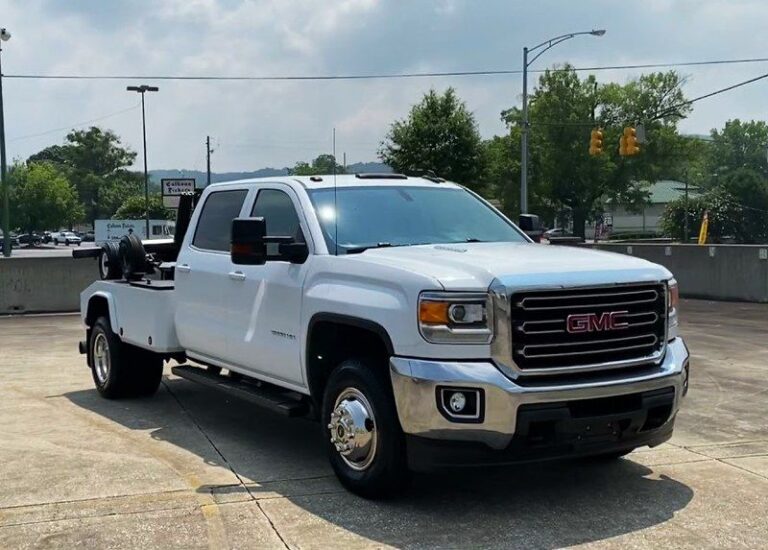

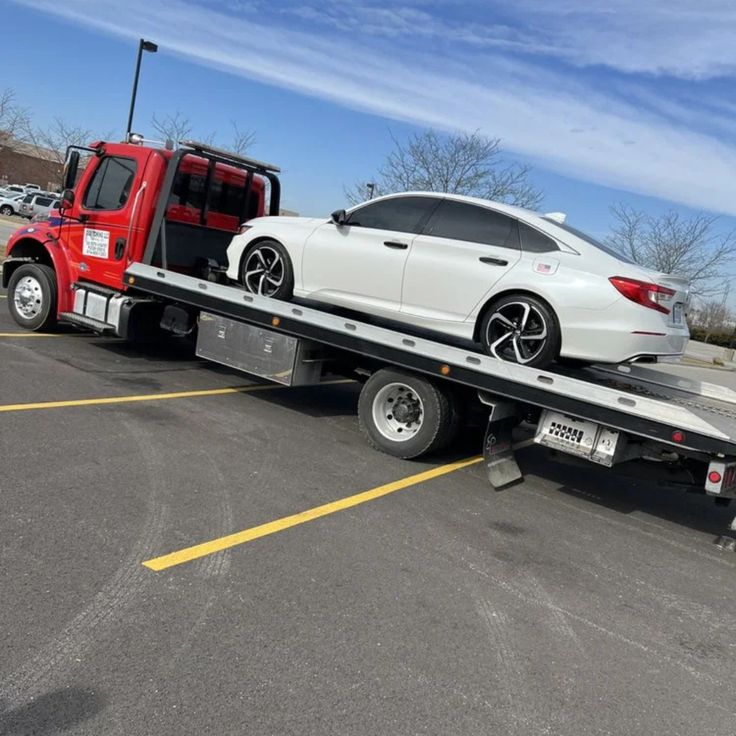
How Driving Modes Impact Real-World EV Range, Roadside Breakdowns, and Towing Needs