
Essential Towing Tips: A Complete Guide for Safe and Efficient Towing
Towing a trailer, boat, or RV can feel intimidating — but it doesn’t have to be. Whether it’s a family trip, hauling work equipment, or transporting vehicles, knowing the basics of safe and efficient towing can save time, money, and stress. This comprehensive guide covers everything from essential towing tips and equipment to real-world price comparisons and advanced techniques, so you’ll be prepared for any towing scenario.
Understanding the Basics of Towing
Before you hit the road, it’s critical to understand a few key principles:
- Know Your Vehicle’s Towing Capacity: Check your owner’s manual to ensure your vehicle can handle the weight you intend to tow. Overloading your vehicle can lead to brake failure, reduced control, and excessive wear. Learn more in our how to calculate towing capacity guide.
- Trailer Types Matter: Utility trailers, enclosed trailers, and travel trailers all require different hitch setups and driving techniques. For more information, see types of trailers explained.
- Weight Distribution Is Critical: Properly distributed loads reduce sway, improve stability, and prevent accidents. Check out our weight distribution hitch guide for detailed instructions.
Even understanding these basics can dramatically improve safety, especially for first-time tow drivers.
Essential Equipment for Safe Towing
Choosing the right gear is crucial to safe towing. Here’s what you’ll need:
- Hitches and Receiver Types: Match your hitch to your trailer and vehicle’s towing capacity. Learn more about selecting the perfect hitch in how to choose the right trailer hitch.
- Brake Controllers: Trailers with electric brakes require a brake controller for synchronized stopping. Check out our brake controller setup guide.
- Extended Mirrors: These improve visibility for lane changes and reversing.
- Electrical Wiring Kits: Proper trailer lighting is required by law in most regions, and ensures turn signals and brake lights work correctly.
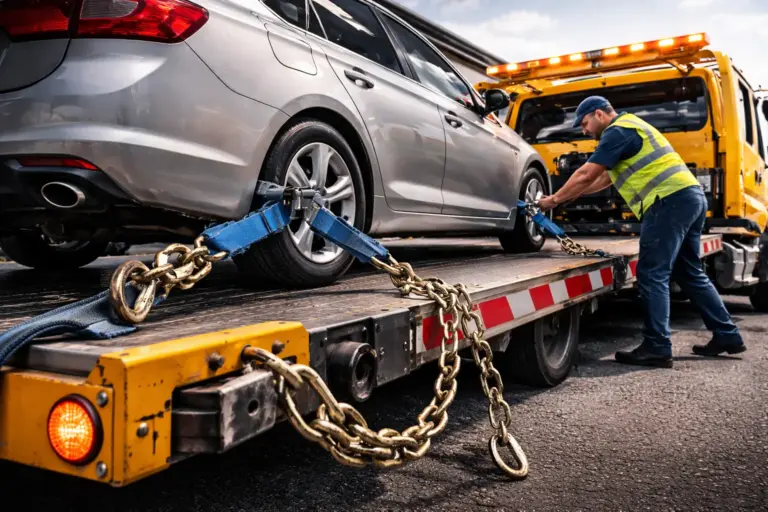
- Safety Chains and Straps: Always secure your load with chains and tie-downs to prevent accidents.
Using the correct equipment not only makes towing easier but can also prevent costly damages and accidents.
Real Price Comparison: Towing Gear & Installation Costs
Knowing how much towing gear costs can help you budget effectively. Here’s a breakdown based on multiple sources:
Trailer Hitch Prices
- Light-duty Class I/II hitches: $100–$250
- Heavy-duty Class IV/V hitches: $400–$800+
- Specialized hitches like gooseneck or fifth-wheel can exceed $2,000 (Proven Industries’ hitch guide)
Installation Costs
- Standard hitch installation: $250–$700
- Complex or high-capacity installations: $1,000–$2,500 depending on vehicle model (Kevin’s Autos installation guide)
Additional Gear Costs
- Brake controllers: $100–$350
- Wiring kits: $50–$150
- Tow bars and towing accessories: $30–$500
Keeping this budget in mind helps ensure you choose the right equipment without overspending.
Towing for Beginners
Even experienced drivers benefit from careful planning. For beginners:
- Drive Slowly and Steadily: Avoid sudden acceleration, sharp turns, and hard braking.
- Increase Following Distance: Towing vehicles need more stopping distance. Leave at least twice the normal gap.
- Plan Your Route: Avoid steep hills, sharp turns, or narrow roads. Consider low bridges or weight restrictions.
- Signal Early: Give yourself extra time to signal lane changes and turns.
Beginner drivers should practice in empty parking lots first, especially for reversing maneuvers with trailers. Learn more in our towing for beginners guide.
Common Towing Mistakes to Avoid
Many accidents are caused by simple mistakes:
- Overloading Your Trailer: Always stay within your vehicle’s towing capacity.
- Neglecting Tire Pressure: Both vehicle and trailer tires must be properly inflated.
- Skipping Trailer Inspections: Check lights, brakes, and hitch connections before every trip.
- Ignoring Sway Control: Sway bars or stabilizers prevent dangerous trailer oscillation.
- Towing Without Practice: Always practice backing up and turning in a safe area before hitting busy roads.
For a deeper dive, check out common towing mistakes.
Advanced Towing Practices
Once you’ve mastered the basics, these techniques improve efficiency and safety:
- Use Engine Braking: Downshift on steep hills to reduce brake wear.
- Check Axle Weight Distribution: Ensure tongue weight is 10–15% of total trailer weight.
- Practice Reversing Techniques: Use hand-over-hand steering for smoother trailer backing.
- Secure Cargo Properly: Use straps or tie-downs to prevent load shifting.
For more advanced tips, see our advanced towing techniques guide.
Tips for Long-Distance Towing
Long trips require extra preparation:
- Stop every 2–3 hours to inspect hitch, tires, and load.
- Keep an emergency kit: first aid, spare tires, wheel chocks, and tools.
- Check local traffic laws for towing speeds, lane restrictions, and trailer requirements.
- Monitor fuel consumption: towing increases drag and reduces mileage by up to 25%.
Towing Safety Statistics
- According to the U.S. Department of Transportation, over 50% of towing-related accidents involve trailer sway or improper loading.
- Regular inspections and proper weight distribution reduce the risk of accidents by over 30%.
These numbers highlight the importance of preparation and safety awareness.
FAQs About Towing
Q1: How fast should I drive when towing a trailer?
A1: Drive below 60 mph (or local limits) to reduce sway and improve control.
Q2: Do I need a special license for towing?
A2: Most trailers under certain weight limits can be towed with a regular license, but commercial or heavy trailers may require special licensing.
Q3: How can I prevent trailer sway?
A3: Use proper weight distribution, sway bars, and drive at moderate speeds.
Q4: Can I tow with an SUV or pickup truck?
A4: Yes, but always check your vehicle’s towing capacity first.
Q5: How often should I inspect towing equipment?
A5: Before every trip — check the hitch, wiring, chains, lights, and tires.
Conclusion
Towing doesn’t have to be confusing or risky. Knowing your vehicle’s limits, selecting the right equipment, and following safety practices ensures smooth towing for any scenario. Proper preparation, regular inspections, and practicing safe driving habits make every towing journey — from weekend trips to hauling equipment — safer and more efficient.

Essential Towing Tips: A Complete Guide for Safe and Efficient Towing