
Hooking up a massive fifth-wheel RV or heavy-duty horse trailer to your pickup truck bed opens up a world of adventure. However, hauling 10,000 to 20,000 pounds behind your truck requires more than just a sturdy hitch. Without the right gear, you can quickly run into jarring front-to-back bouncing, metal-on-metal friction, or elevated tire temperatures on long highway stretches.
Investing in top-rated 5th wheel towing accessories protects your financial investment, improves vehicle handling, and makes long cross-country hauls remarkably stress-free. Whether you’re a seasoned full-time RVer or preparing for your first big road trip, this guide breaks down the most valuable gear you need before hitting the open road.
Key 5th Wheel Towing Terms Defined
To get the most out of your setup, it helps to understand a few basic industry terms:
- 5th Wheel Towing Accessories: Add-on components—such as lube plates, pin box dampeners, and kingpin locks—designed to improve stability, security, and ride quality when pulling a fifth-wheel trailer.
- Kingpin: The solid steel pin located under the front of your fifth-wheel trailer that slides into and locks inside the truck bed hitch jaw.
- Chucking: The uncomfortable, back-and-forth jerking motion caused by momentum shifting between your truck and trailer over uneven highway expansion joints.
- Pin Weight: The downward force (typically 15% to 25% of the trailer’s total weight) exerted by the trailer’s kingpin directly onto the truck bed hitch.
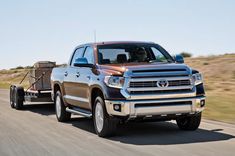
Also Read: Toyota Tundra Towing Capacity
Top 7 Must-Have 5th Wheel Towing Accessories
Modern heavy-duty trucks from Ford, Ram, and GM come with massive tow ratings, but the right accessories bridges the gap between raw power and a comfortable ride. Here are the essential add-ons every owner should consider:
1. High-Density Lube Plates (No More Messy Grease)
Traditionally, keeping your hitch head lubricated meant smearing heavy lithium grease across the skid plate. That grease attracts dirt, grit, and road debris while staining anything that accidentally touches it.
A high-density polyethylene (HDPE) or Teflon lube plate slips directly over your trailer’s kingpin. It eliminates metal-on-metal grinding between the hitch plate and the pin box without needing a single drop of messy grease. They are inexpensive, last for thousands of miles, and keep your truck bed significantly cleaner.
2. Cushioning Pin Boxes & Air-Ride Couplers
If you have ever felt like your trailer is trying to shove your truck through the windshield every time you tap the brakes on an bumpy highway, you’re experiencing chucking. Upgrading from a standard rigid pin box to a cushioned or air-ride pin box makes a world of difference.
Products equipped with internal rubber dampeners or heavy-duty air bladders absorb road shock before it transfers into your truck’s frame. On long trips down rough interstates, a cushioned pin box drastically cuts down driver fatigue and prevents cabinet doors inside your RV from popping open mid-transit.
3. Kingpin Locks for Anti-Theft Security
Your fifth wheel is a major investment and you must need latest 5th Wheel Towing Accessories. When you unhitch your rig at a campsite, storage facility, or hotel parking lot, an unsecured kingpin leaves your trailer vulnerable to theft.
A heavy-duty steel kingpin lock slides over the pin and locks securely with a key. This prevents anyone from backing up their truck, coupling to your trailer, and driving off with your home-on-wheels. Look for high-grade hardened steel locks that resist bolt cutters and drill attacks.
4. Trailer Tire Pressure Monitoring Systems (TPMS)
A tire blowout on a heavy tandem-axle or triple-axle fifth wheel can cause thousands of dollars in structural sidewall and fiberglass damage before you even realize a tire has lost pressure.
An aftermarket TPMS uses wireless sensors attached to your trailer’s valve stems to send real-time pressure and temperature readings to a monitor on your dashboard. If a tire catches a nail or starts overheating due to a failing wheel bearing, the system alerts you immediately so you can pull over safely.
5. OEM Puck System Adapters
Most modern 3/4-ton and 1-ton trucks come equipped with factory-installed bed puck systems (mounting holes integrated directly into the frame). However, if you own an industry-standard base-rail hitch, it won’t mount directly into those factory pucks without an adapter.
Puck system adapters lock directly into your Ford, Ram, or GM bed drop-ins, giving you a flat base rail to mount your existing hitch. They install in minutes without requiring custom drilling into your truck bed.
6. In-Bed Wiring Extension Harnesses
Plugging your trailer’s 7-way power cord over the closed tailgate and down to the rear bumper hitch receiver is noisy, unsightly, and risks snagging the cable during tight turns.
Installing a 7-way extension wiring harness places an auxiliary 7-pin socket right inside your truck bed wall. This allows you to plug your trailer in cleanly near the hitch, leaving plenty of cable slack for 90-degree turns without scraping your tailgate.
7. Kingpin Tripod Stabilizers
While standard leveling jacks keep your fifth wheel stable at the bottom, the front overhang of a long trailer can still flex and bounce when people walk around inside.
A kingpin tripod stabilizer stand sets up under the unhitched kingpin. By supporting the highest forward point of the frame, it stops side-to-side sway and front-end motion, making your living space feel as solid as a stick-built home. Having latest machinery and 5th Wheel Towing Accessories with you can save you from many troubles during travelling.
Comparison: Essential Accessories at a Glance
| Accessory | Primary Purpose | Installation Difficulty | Priority Level |
| Lube Plate | Prevents friction & hitch wear | Instant (Slips on pin) | Must-Have |
| Kingpin Lock | Anti-theft protection while parked | Instant (Manual key) | Must-Have |
| Trailer TPMS | Real-time tire blowout prevention | Easy (Screw-on sensors) | Must-Have |
| Bed Wiring Harness | Clean electrical connection in bed | Easy (Plug-and-play) | Recommended |
| Cushioned Pin Box | Absorbs road shock & chucking | Moderate (Bolts on) | Recommended |
| Tripod Stabilizer | Stops frame movement at campsite | Easy (Manual setup) | Optional |
Practical Insights for Safe Heavy-Duty Towing
Having hauled rigs across mountain passes and windy plains, here are three practical lessons that every trailer owner should keep in mind:
- Always Check Your Clearance: Ensure you have at least 6 inches of clearance between the top of your truck bed rails and the bottom of your fifth wheel overhang. This prevents costly bed-rail damage when negotiating steep driveway angles or uneven campsite entries.
- Double-Check the Latch: Never trust a visual check alone. Always perform a quick pull test: set your trailer brakes, remove the wheel chocks, and gently pull forward in low gear to confirm the hitch jaws are fully locked around the kingpin before raising your landing gear.
- Know Your True Payload Limit: Upgraded hitches, bed toolboxes, extra fuel tanks, and kingpin stabilizers all count against your truck’s overall payload capacity. Keep track of total weight to keep your truck performing safely.
Frequently Asked Questions (FAQs)
Do I really need a lube plate for my 5th wheel hitch?
Yes. Unless your hitch manufacturer specifically states that the hitch head uses built-in grease-free friction pads, a lube plate is essential. It stops metal-on-metal grinding, extends the lifespan of your hitch, and eliminates grease mess.
How do I stop my 5th wheel trailer from chucking?
The most effective way to eliminate chucking is by installing a cushioned pin box or an air-ride hitch coupler. Ensuring proper weight distribution so that 15% to 25% of the trailer weight rests on the pin box also helps stabilize the ride.
Can I use a gooseneck adapter on my 5th wheel trailer?
You can, but check with your trailer manufacturer first. Standard gooseneck adapters increase leverage on the trailer frame, which can void your structural warranty unless you use an approved pin box replacement designed specifically for gooseneck balls.
What is the difference between manual and automatic slider hitches?
Manual slider hitches require you to get out of the truck and unlock a lever before making sharp turns in short-bed trucks. Automatic (auto-sliding) hitches slide back on rails automatically as you turn, preventing the trailer cap from striking your truck cab.
Conclusion & Final Thoughts
Equipping your truck with the right 5th wheel towing accessories turns a demanding job into a smooth, enjoyable journey. From essential safety tools like tire pressure monitors and kingpin locks to ride-improving additions like lube plates and cushioned pin boxes, every accessory plays a vital role in protecting your vehicle and your peace of mind.
Ready to upgrade your rig, compare hitch setups, or discover more expert trailering guides? Visit towing blogspot for in-depth reviews, safety tips, and step-by-step equipment breakdowns designed for modern truck owners!

Essential 5th Wheel Towing Accessories for Safe and Smooth Hauling