
When a vehicle breaks down, gets into an accident, or simply refuses to start, most drivers rely on professional towing services for help. While many people know that a tow truck arrives and transports a vehicle, fewer understand the full process behind general towing services. Knowing what to expect when you call a towing service can reduce stress, save time, and help you make informed decisions during an already inconvenient situation.
This guide explains everything you need to know—from the moment you place the call to when your vehicle is safely delivered—so you can feel confident when using vehicle towing, emergency towing, or local towing services.
Understanding General Towing Services
General towing services refer to professional assistance provided to move disabled, damaged, or illegally parked vehicles from one location to another. These services are designed for a wide range of situations, including mechanical failures, accidents, flat tires, dead batteries, and off-road recovery.
A reliable tow truck service typically offers multiple towing options, such as:
- Car towing
- Auto towing for passenger vehicles
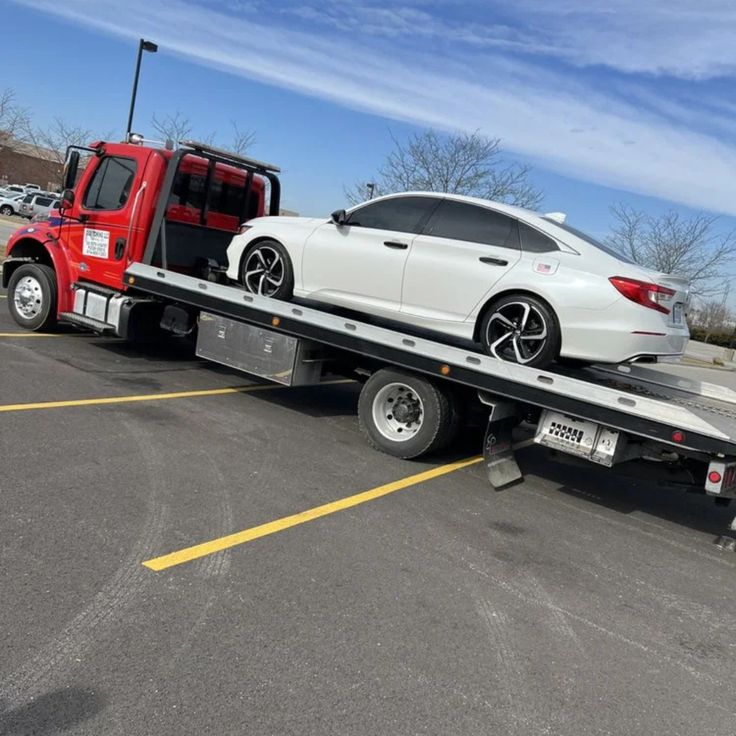
- Flatbed towing for damage-free transport
- Roadside towing for short-distance needs
- Emergency towing for urgent situations
Understanding these options helps you choose the right solution for your specific vehicle and situation.
When Should You Call a Towing Service?
Drivers contact towing services for many reasons. Some of the most common situations include:
- Engine failure or overheating
- Transmission issues
- Accidents or collisions
- Flat tires without a spare
- Dead battery or electrical failure
- Vehicle stuck in mud, snow, or sand
- Unsafe driving conditions
In these cases, attempting to move the vehicle yourself can cause further damage. Calling a professional towing service ensures your car is handled safely and correctly.
What Happens When You Call a Tow Truck Service?
1. Initial Call and Information Collection
When you contact a tow truck service, the dispatcher will ask for essential details, including:
- Your exact location
- Type of vehicle (car, SUV, truck, or motorcycle)
- The issue affecting the vehicle
- Whether the vehicle is drivable
- Preferred destination (repair shop, home, or storage yard)
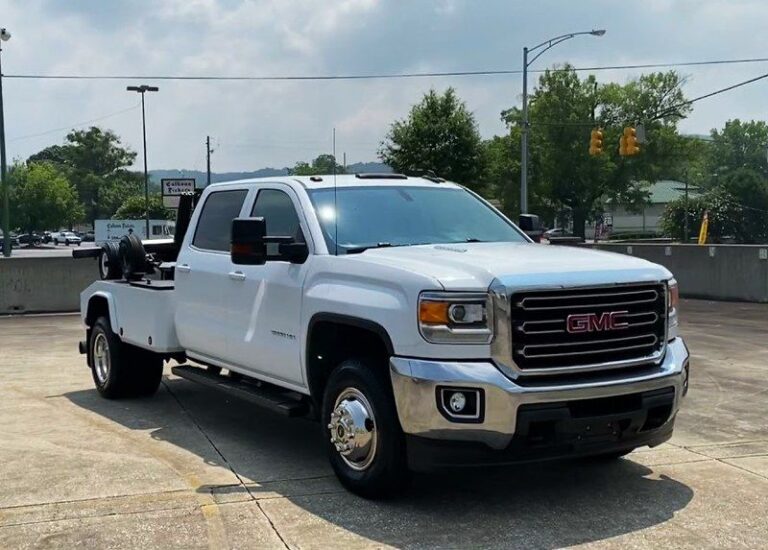
Providing accurate information helps the towing company send the right equipment, whether that means a flatbed towing truck or a standard wheel-lift tow truck.
2. Choosing the Right Type of Towing
Not all vehicles require the same towing method. Based on your situation, the provider may recommend:
- Flatbed towing for luxury cars, all-wheel-drive vehicles, or accident-damaged cars
- Local towing for short distances
- Emergency towing for roadside breakdowns or accidents
- Roadside towing for vehicles blocking traffic or in unsafe areas
Professional towing operators are trained to select the safest towing method to prevent further vehicle damage.
3. Estimated Arrival Time
After assessing your situation, the towing service will provide an estimated arrival time. Response times vary depending on traffic, weather, and location, but most local towing services prioritize stranded drivers, especially in emergency situations.
Reputable companies communicate clearly and keep you informed if delays occur.
What to Expect When the Tow Truck Arrives
Professional Assessment
Upon arrival, the tow truck operator will inspect your vehicle and confirm the issue. This step ensures the correct towing approach is used and that your car is secured properly.
Safe Vehicle Loading
Using professional-grade equipment, the operator will carefully load your vehicle onto the tow truck. For flatbed towing, the car is lifted completely off the ground, reducing wear and preventing damage.
Secure Transport
Once loaded, your vehicle is strapped and stabilized. A professional towing service follows strict safety protocols to protect your car during transport.
Where Can Your Vehicle Be Towed?
A tow truck service can transport your vehicle to several destinations, including:
- Auto repair shops
- Dealership service centers
- Your home or driveway
- Storage facilities
- Accident recovery yards
Discuss destination options during your initial call so there are no surprises later.
Cost Factors in Towing Services
The cost of vehicle towing depends on several factors, such as:
- Distance traveled
- Type of tow truck used
- Time of day (after-hours or holidays)
- Vehicle size and weight
- Emergency or non-emergency service
While pricing varies, transparent towing companies explain fees upfront and avoid hidden charges.
Emergency Towing: What Makes It Different?
Emergency towing is designed for urgent situations that pose a safety risk. This includes accidents, vehicles blocking traffic, or breakdowns in hazardous locations.
Emergency towing services typically offer:
- Faster response times
- 24/7 availability
- Priority dispatch
- Coordination with roadside assistance or law enforcement
Knowing when to request emergency towing can make a significant difference in safety.
The Role of Professional Towing Operators
A professional towing service is defined by the training and experience of its operators. Skilled tow truck drivers understand:
- Vehicle weight distribution
- Secure attachment points
- Damage prevention techniques
- Road safety and traffic regulations
Their expertise ensures your vehicle is transported safely, regardless of the situation.
Local Towing Services vs Long-Distance Towing
Local Towing
Local towing typically covers short distances within a city or town. It is commonly used for breakdowns, parking violations, or short relocations.
Long-Distance Vehicle Towing
Long-distance towing involves transporting a vehicle across cities or states. This service often relies on flatbed towing to minimize wear and tear during extended travel.
Understanding the difference helps you choose the right service for your needs.
How Roadside Towing Fits Into the Bigger Picture
Roadside towing is often part of a broader roadside assistance package. While roadside assistance may fix minor issues on-site, towing becomes necessary when repairs cannot be completed immediately.
Roadside towing ensures your vehicle is moved to a safe location where proper repairs can be made.
How to Prepare Before Calling a Tow Truck Service
To make the process smoother:
- Move your vehicle to a safe location if possible
- Turn on hazard lights
- Gather vehicle information
- Stay visible but away from traffic
- Ask questions about towing methods and pricing
Preparation helps the towing service respond efficiently and safely.
Common Myths About Towing Services
Many drivers believe that towing always causes damage or is unnecessarily expensive. In reality, modern auto towing services use advanced equipment and techniques to protect vehicles.
Another misconception is that towing is only for accidents. In truth, towing services assist with a wide range of everyday vehicle issues.
Why Understanding Towing Services Matters
Knowing what to expect when you call a tow truck service empowers you to make better decisions during stressful moments. It also helps you identify trustworthy, professional towing providers and avoid unnecessary complications.
As part of general towing services, towing plays a critical role in road safety, traffic flow, and vehicle protection.
Final Thoughts
Calling a towing service doesn’t have to be overwhelming. By understanding the process, available towing options, and the role of professional towing operators, you can approach the situation with confidence.
Whether you need car towing, emergency towing, local towing, or flatbed towing, a reliable towing service ensures your vehicle is handled safely and efficiently. Learning how towing works not only saves time and money but also contributes to safer roads for everyone.

What to Expect When You Call a Tow Truck Service